Field Dispatch
Grammys 2026: Nigeria Snubbed? Tyla Wins, Fela Honored & Trevor Noah Roasts Trump & Nicki
Briefing Notes
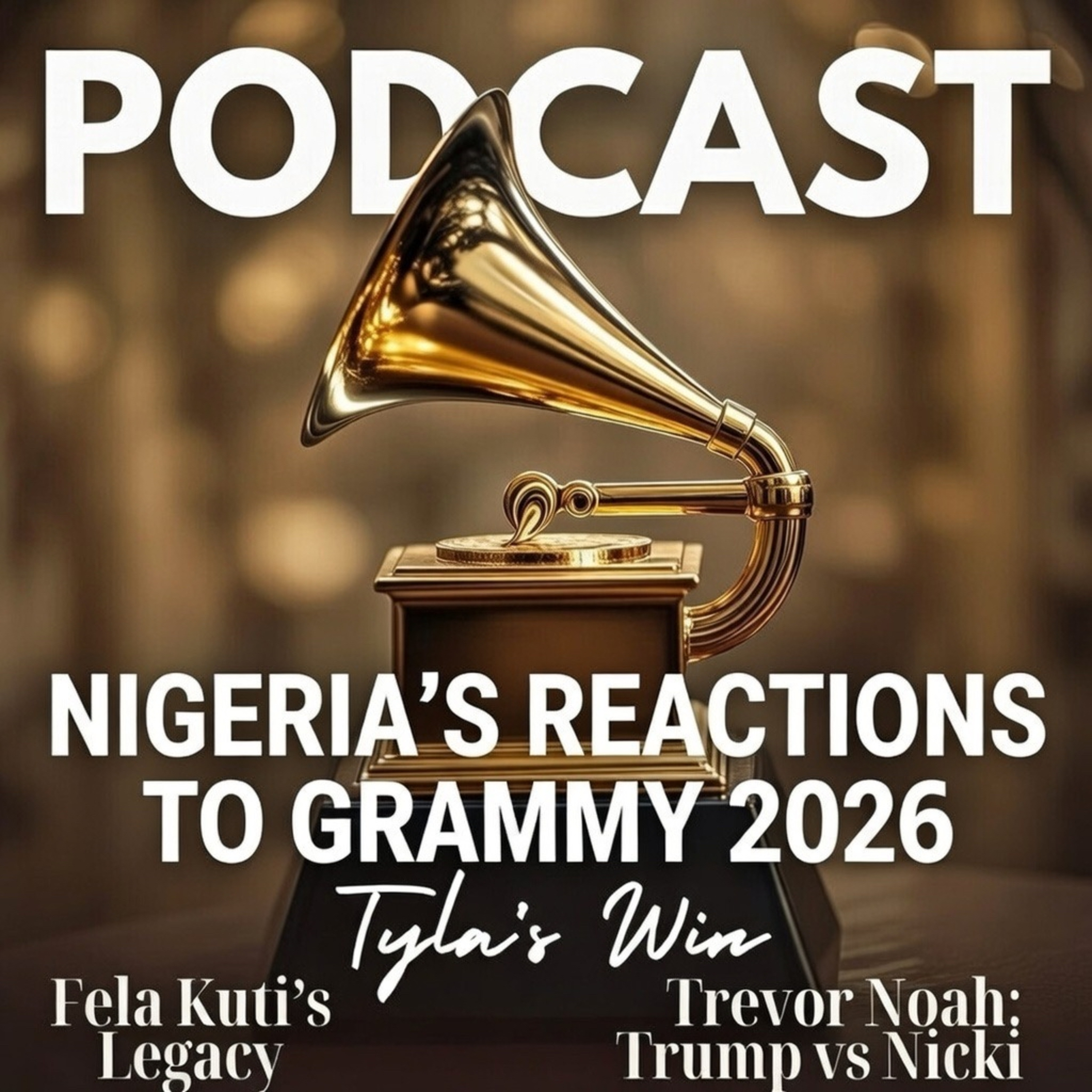
Welcome to The Artiste Hangout with Femi Makx, Abuja’s pulse on music, culture, and creative hustle. In this episode, we break down the 68th Annual Grammys with a fresh Nigerian perspective, spotlighting wins, snubs, and historic moments that shook the global music scene. From Tyla’s back-to-back Best African Music Performance win to Fela Kuti receiving the first-ever Grammy Lifetime Achievement Award for an African artist, we unpack what these milestones mean for Naija, the diaspora, and the future of Afrobeats worldwide.
We also dive into the political statements, show-stopping speeches, and comedy roasts that had the internet buzzing. Trevor Noah’s sharp jabs, Billie Eilish’s pro-immigrant stance, and Bad Bunny making history as the first Spanish-language Album of the Year winner – we cover it all.
As your host, Femi Makx, award-winning podcaster and music culture commentator, I bring you the insights, context, and Abuja energy you can’t get anywhere else. For this episode, I experimented with AI to enhance research, script structure, and cultural context, making The Artiste Hangout one of the first African music podcasts actively integrating AI in creative production.
The Artiste Hangout with Femi Makx has massive streams across major listening platforms like Spotify and Apple Podcasts, topping charts in major countries. Akwaaba to my Ghanaians too – we were top 3 in music interviews on Apple Podcasts in Ghana, and ranking high across other African countries as well.
Whether you’re a music lover, industry insider, or just curious about Naija’s footprint at the Grammys, this episode breaks down the wins, snubs, and controversies with honesty, humor, and journalistic precision.
Listen, subscribe, and join the conversation: Let’s debate, celebrate, and connect over the music shaping 2026. Follow Femi Makx on X @femi_makx and tag your thoughts with #ArtisteHangoutGrammys.
Did Nigeria truly win at the 2026 Grammys, or did we fall victim to another industry snub? That's what everyone's debating right now. From Lagos traffic to late night group chats. Here's a fact. Tyler's push to start racked up over 600 million streams worldwide, outpacing hits from Burnaboy, DeVito, and Aristar and tipping the Academy's vote in her favor for Best African Music Performance. Let me paint this picture. Fela Kuti, the father of Afrobeats, received a posthumous Grammy Lifetime Achievement award, with his son Femi giving an emotional speech in LA about fighting corruption.
Meanwhile, DeVito and the Kuti family stood together, celebrating not just music, but a legacy. Some might say. But Tyler's win is proof the Grammys don't get Afrobeats. True, there's frustration when Nyjah stars split the vote and the system leans commercial. Yet it's not just loss. Fela's honor is historic and diaspora wins like Shabuzzi's country glory show we're not boxed in. So what's the move? If we channel this energy, unite the scene, push for even more global reach, and celebrate every facet of our influence, Niger's impact at the Grammys will only grow.
Let's keep the conversations going. Your voice matters. Did you notice how the 2026 Grammys doubled as a political stage? Music and activism collided under the spotlight. No holding back. Consider this. Bad Bunny made history, becoming the first Spanish language album of the year winner and used the moment to deliver a pro immigrant message to millions. Billie Eilish too called out ICE and deportation policies with her acceptance speech and visible pins. It took me back to Fela's era. Afrobeat, his protest speaking out against injustice.
Seeing Femi Kuti in LA echoing that tradition, showed how our roots still shape global discourse. Even Cynthia Arevo and Tyler, The Creator carried that legacy into their own wins and performances. Now, critics argue award shows shouldn't get political. Just let the music play. But music has always reflected our times, and ignoring real issues means losing part of its power. Some feel uncomfortable, but that discomfort is exactly what sparks change. Looking ahead, we need to keep tapping into music's power, using the stage for progress, amplifying voices and ensuring our stories reach the World.
This is how the art keeps moving forward and how we keep making history. Can a host go too far at the Grammys? Or is roasting part of the show's DNA? Trevor Noah ignited that debate the minute he grabbed the mic. Let's break it down. His Trump and Nicki Minaj jokes trended instantly. Fueled by his impression and sharp Epstein punchline. Trump fired back on Truth Social, Nicki doubled down on X, and social feeds erupted with both outrage and applause. Think back. Comedy roasts are a Grammy tradition.
Remember when Chris Rock or Ellen took swings at industry giants? Trevor brought Abuja level energy. No one was safe. But lines get blurry, especially when jabs touch political scandals or unproven claims. As with the Epstein bit, some say there should be limits. Comedy isn't an excuse for defamation. True satire walks a fine line between truth and offense. Still, in a divided world, these moments can either unite people and laughter or deepen the rift, depending on where you stand. Here's the take away.
Hosts should push boundaries for impact, but always ground their jokes and facts. It's a balancing act and a reminder that even laughter carries weight in shaping public opinion. What should the Nyjah music scene take away from this year's Grammys? There's plenty to unpack as the dust settles. Statistically, Kendrick Lamar LED with five wins making rap history, while Latino artists marked major milestones for Nigeria. Fela's Lifetime Achievement Award elevates our cultural capital in ways that stats can't always measure.
Look at DeVito, supporting the Kuti family and the way diaspora artists from Shibuzi to Tyler, The Creator claimed their space. These moments weren't just about trophies, they showcased unity, resilience, and the global power of Afrobeats. Naysayers claim it's just another year of politics and missed wins, but that ignores the deeper progress. Every nomination, every speech, every viral moment shifts the narrative, inching us closer to a truly inclusive industry. The real lesson? Let's keep innovating, supporting each other and amplifying African stories next year.
Unite the votes, push the sound further, and remember our culture isn't just trending, it's rewriting the map.
 Apple Podcasts
 Castbox
 Castro
 Goodpods
 Moon FM
 Overcast
 Pocket Casts
 Podbean
 Podcast Addict
 Podcast Republic
 Spotify